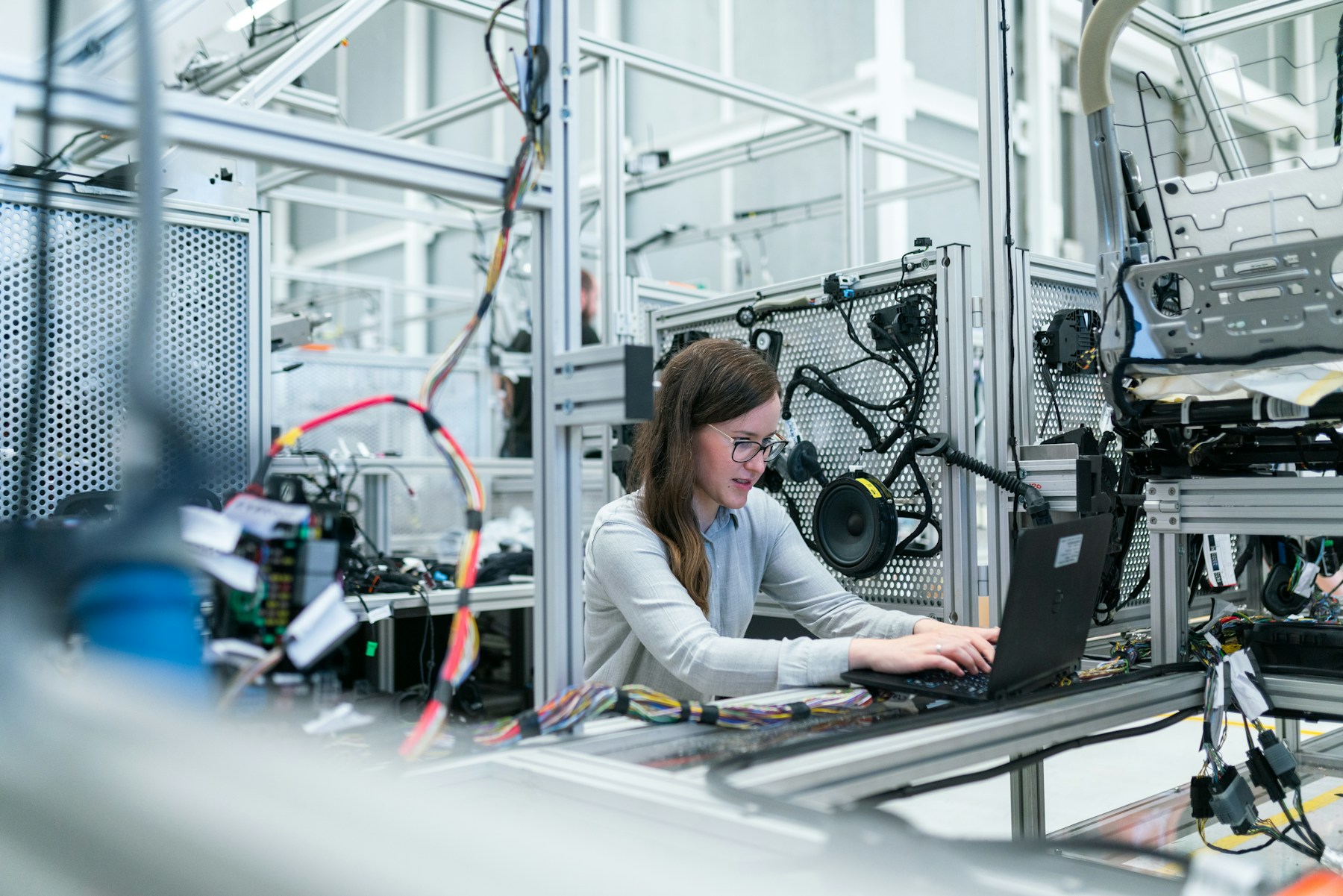
- Robotic Labs is becoming a venture diligence surface.
- AI-Guided Discovery changes how enterprise buyers evaluate adoption risk.
- Biology Data Infrastructure can separate durable platforms from prototype activity.
The laboratory is becoming a software-defined environment. Robotics, AI-designed experiments and biological data infrastructure are turning discovery workflows into repeatable operating systems.
In 2026, venture value is migrating toward operating layers that make intelligence useful, trusted, measurable and economically durable.
Why This Category Matters in 2026
Life sciences remains capital intensive, but automation can change the cadence of evidence. Investors are watching platforms that compress experiment cycles, improve data quality and make discovery workflows more programmable.
The broader venture market is rewarding companies that can convert AI intensity into operating leverage. That makes this category relevant because it addresses one of the practical constraints between technological capability and institutional adoption.
What Investors Should Diligence
Investors should examine experimental throughput, data quality, reproducibility, platform specificity, validation milestones, regulatory pathways and whether partnerships with pharma or research institutions produce durable learning loops.
Useful diligence should move beyond demos and ask where the product sits in the customer architecture, how the workflow expands, what data becomes proprietary and whether adoption creates evidence that improves the next financing conversation.
How Founders Should Position the Opportunity
Founders should avoid presenting bio-automation as generic lab efficiency. The strongest companies show how automation generates proprietary data and improves scientific decision-making over time.
Positioning should connect technical substance to customer urgency. The best founder narratives show why the problem is difficult now, why the buyer is ready now and why the company can become a system of record or control layer rather than another feature.
Strategic Angles
This market should be evaluated through robotic labs and automated experimentation, AI-guided discovery workflows, data infrastructure for biology, platform risk in life sciences, strategic partnerships with pharma and research institutions. Those angles reveal whether the startup is building durable infrastructure or only capturing temporary interest around AI adoption.
Risks, Constraints and Market Friction
The risks are high capital requirements, long validation cycles, regulatory exposure and overclaiming AI impact before biological evidence exists. Discipline around milestones is essential.
The strongest companies will treat those constraints as design inputs. They will show customers and investors that deployment, governance, integration and economics have been engineered into the product rather than postponed until scale.
The Valarty View
Valarty sees AI lab infrastructure as a category where robotics, data and biology converge. The venture opportunity is strongest when automation creates repeatable scientific advantage.
Conclusion
Bio-Automation and AI Labs: The Next Infrastructure Layer in Life Sciences sits within a wider 2026 venture reset: capital is available for AI-era companies, but the bar is shifting toward evidence, infrastructure, trust, execution and expansion discipline. Founders who can explain the operating layer they own will be easier for serious capital to underwrite.
Research Notes
This Valarty Insight was developed after reviewing the Valarty public blog archive to avoid duplicating existing topics, then mapping the topic against current 2026 venture signals including AI capital concentration, renewed exit activity, infrastructure demand, hard tech momentum and institutional diligence discipline.
- Crunchbase H1 2026 global venture and exit data
- KPMG Venture Pulse Q1 2026
- CB Insights State of Venture Q1 2026
- PitchBook-NVCA Venture Monitor Q1 2026
- Crunchbase Q1 2026 AI funding analysis
- Image source: Unsplash. Used under the Unsplash License and stored locally in the Valarty blog assets directory.