
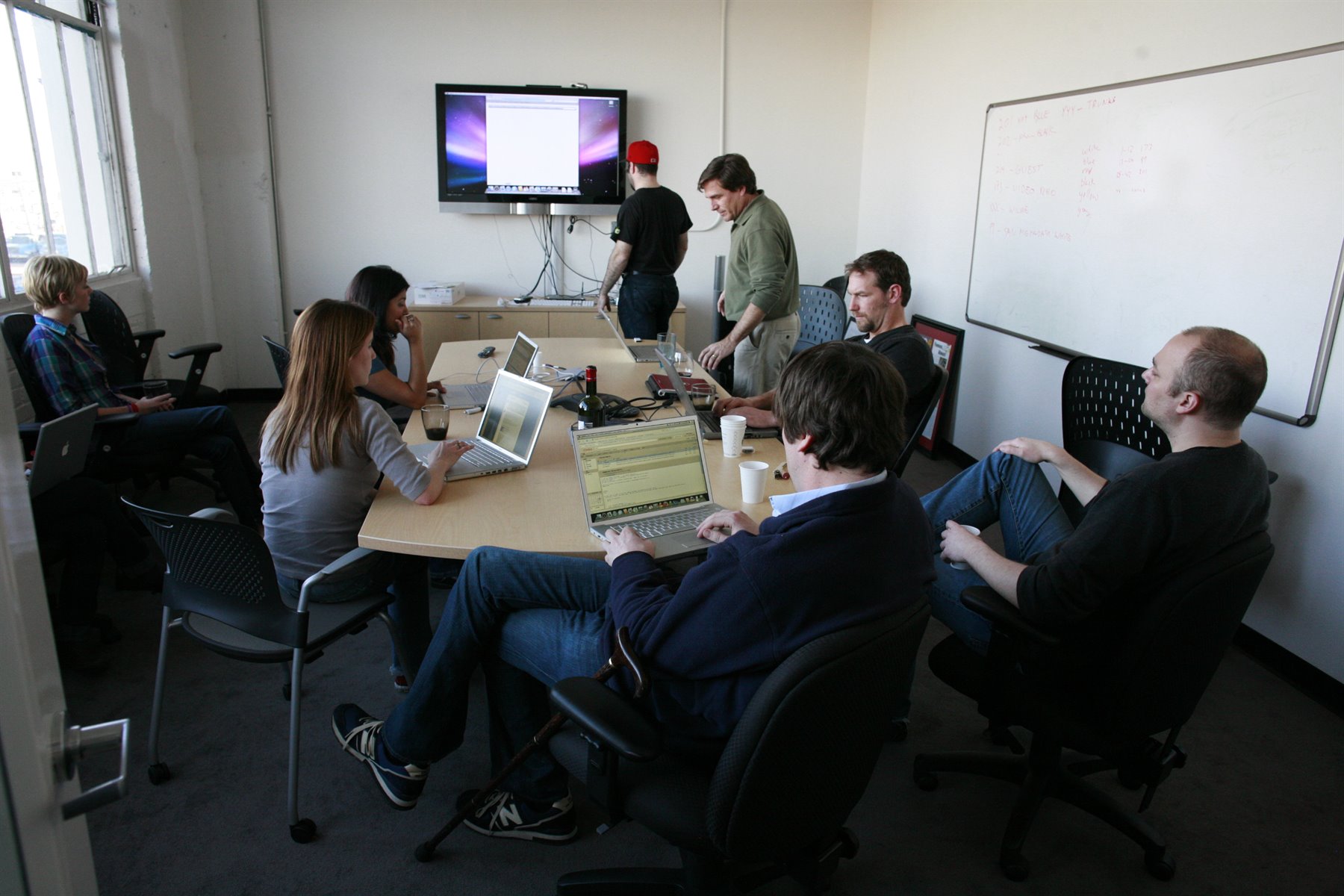
Investor readiness is created when founders can turn strategy, evidence, metrics and risk awareness into a credible institutional conversation.
Introduction
Investor readiness is not a cosmetic exercise.
A founder does not become investor-ready by improving a slide design, rehearsing a pitch or adding larger market numbers to a deck. Those elements may help communication, but they do not create readiness. Investor readiness comes from strategic clarity, execution discipline and narrative quality.
Investors are trying to answer a simple but difficult question: is this company prepared to become a much larger business?
The answer depends on evidence. It depends on whether the founder understands the market, the customer, the product, the metrics, the team, the risks and the capital plan. It also depends on whether the company can communicate these elements in a way that creates trust.
Investor-ready companies are easier to diligence because they are easier to understand.
Investor readiness is created when founders can turn strategy, evidence, metrics and risk awareness into a credible institutional conversation.
Investor-ready founders do not merely tell a better story; they make the company easier to understand, diligence and underwrite.
1. Clarity Comes Before Capital
Capital amplifies a company. It does not automatically fix a lack of clarity.
A founder who cannot explain the customer, the pain, the wedge, the market timing and the business model may raise attention but struggle to raise conviction. Investors need to understand what is being built and why it can become significant.
Clarity should exist across five layers:
- problem clarity;
- customer clarity;
- product clarity;
- business model clarity;
- and strategic direction.
If these layers are confused, fundraising becomes a process of defending ambiguity.
2. Execution Discipline Creates Trust
Investors know that early-stage companies are imperfect. They do not expect every metric to be mature or every process to be complete. But they do look for execution discipline.
Execution discipline means that the founder can set priorities, measure progress, learn from customers, allocate resources and make decisions based on evidence. It means that the company is not simply busy. It is moving in a coherent direction.
Signs of execution discipline include:
- consistent metric tracking;
- clear product roadmap;
- customer feedback loops;
- focus on a specific buyer or segment;
- documented assumptions;
- controlled burn;
- hiring discipline;
- and honest awareness of risks.
A disciplined company gives investors confidence that new capital will be used intelligently.
3. Metrics Must Be Understood, Not Memorized
Founders should know their metrics, but more importantly, they should understand them.
An investor may ask about retention, gross margin, customer acquisition cost, sales cycle, pipeline quality, activation, churn, usage or burn multiple. A founder who only recites numbers will not create as much confidence as a founder who can explain what the numbers mean.
The investor wants to know:
- What is improving?
- What is still weak?
- What changed after the company learned from customers?
- Which metric matters most at this stage?
- What does the company need to prove next?
Metrics are not only performance indicators. They are evidence of learning.
4. Narrative Quality Matters
Narrative quality is the ability to connect facts into a compelling investment thesis.
A company can have strong evidence and still fail to communicate why it matters. A founder may describe product features, customer names, growth numbers and market trends without connecting them into one strategic argument.
A strong narrative has a clear sequence:
- the world is changing;
- this customer pain is becoming urgent;
- existing solutions are insufficient;
- we built a product that solves the problem differently;
- early evidence shows that the market is responding;
- our business model can scale;
- this team can execute;
- capital will unlock the next stage;
- and the company can become strategically valuable.
Narrative is not decoration. It is the architecture of conviction.
5. The Data Room Is a Signal
A data room is not only a repository. It is a signal of operating discipline.
When investors enter diligence, disorganized documents create friction. Missing contracts, inconsistent metrics, unclear ownership, outdated financial models and scattered customer evidence can weaken confidence.
A founder-ready data room should include:
- company overview;
- pitch deck;
- financial model;
- cap table;
- incorporation documents;
- customer contracts or summaries;
- pipeline and CRM exports;
- metrics definitions;
- product roadmap;
- security and compliance materials;
- team and hiring plan;
- intellectual property documentation;
- and use-of-funds plan.
The goal is not to overwhelm investors. The goal is to make diligence efficient and credible.
6. Investor Fit Is Part of Readiness
Not every investor is the right investor.
Investor readiness includes knowing which investors are relevant to the company’s stage, sector, geography, check size and strategic needs. A founder should avoid running a generic process that treats all capital as equal.
A strong investor map should identify:
- lead investors;
- sector specialists;
- geographic bridge investors;
- strategic corporates;
- follow-on investors;
- operator angels;
- and potential co-investors.
This allows the founder to tailor the conversation without changing the truth of the company.
7. The Founder Must Own the Risks
Investor-ready founders do not hide risk. They understand it.
Every startup has risk: market risk, product risk, execution risk, competition risk, regulatory risk, financing risk, data risk or infrastructure risk. A founder who pretends there is no risk appears inexperienced. A founder who identifies the key risks and explains how the company is reducing them appears credible.
Investors are not looking for a risk-free company. They are looking for a team capable of converting risk into progress.
8. Use of Capital Should Be a Plan, Not a Wish List
Investors want to know what new capital will accomplish.
A vague use of funds creates uncertainty. A strategic use of funds shows that the founder understands the next stage of company building.
A credible capital plan should explain:
- which milestones will be reached;
- which hires are essential;
- what product capabilities must be built;
- how go-to-market will expand;
- what infrastructure or compliance investments are needed;
- and how the company will be positioned for the next financing or strategic option.
Capital should unlock a defined transformation.
9. The Valarty View
At Valarty, investor readiness is viewed as a strategic preparation process.
A founder becomes investor-ready when the company can be understood, diligenced and underwritten with confidence. That requires more than a pitch. It requires organized evidence, credible metrics, strategic positioning, coherent narrative and operational discipline.
The best founders treat fundraising as a consequence of company-building quality, not a substitute for it.
Conclusion
Investor-ready founders are not simply better presenters.
They are better prepared. They understand their business, organize their evidence, communicate with clarity and use investor conversations to demonstrate discipline.
In venture capital, conviction is built through clarity.
The founder’s job is to make that clarity visible.
Research Notes
Content published by VALARTY is for strategic, informational and institutional purposes only. It does not constitute investment advice, an offer to sell securities or a solicitation to invest.