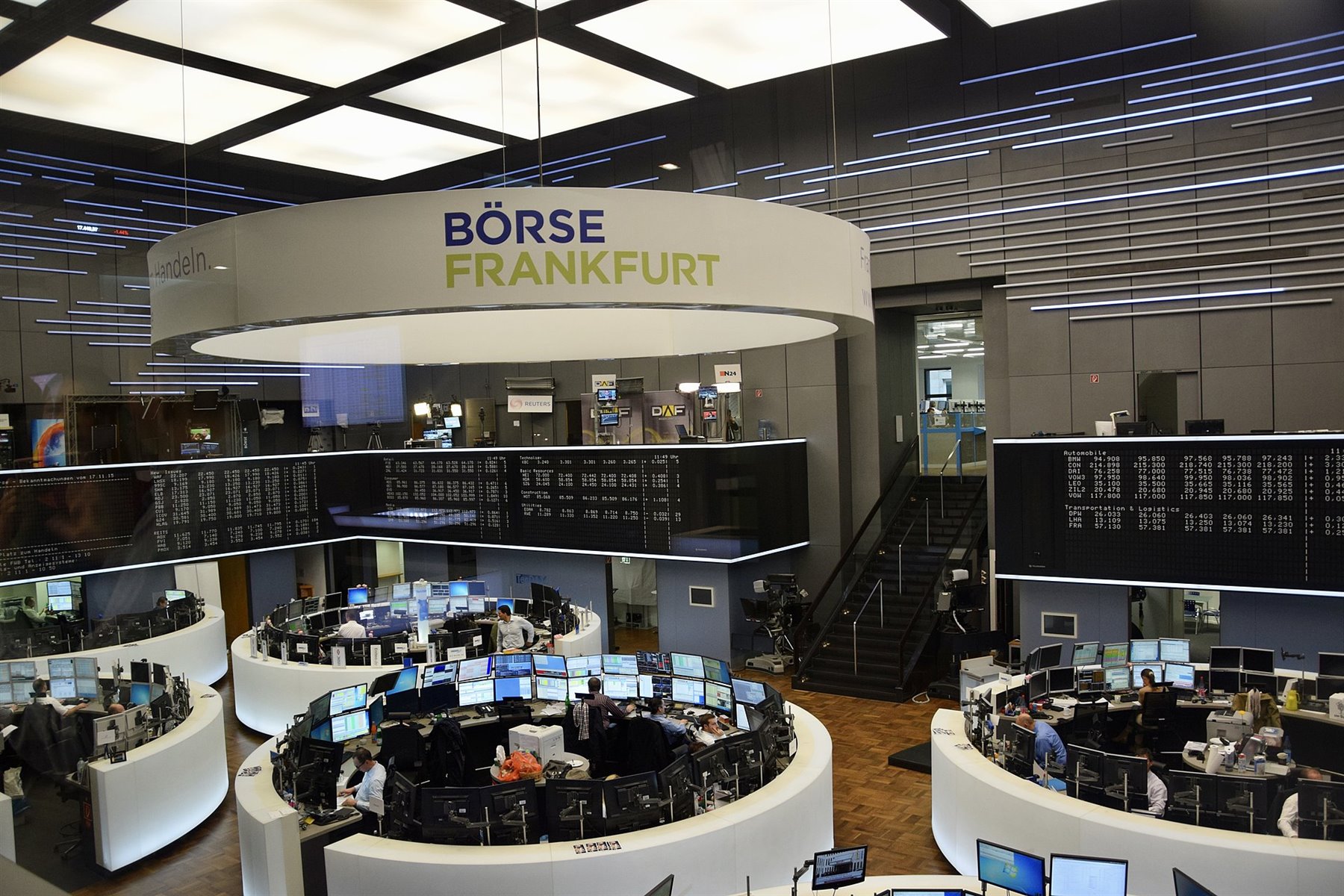
- The IPO window is selective, not broadly open.
- Exit readiness starts years before filing.
- Boards must connect growth, margin and governance discipline.
A selective public market is forcing venture-backed companies to prepare earlier for governance, margins, durable growth and credible exit timing.
Executive Context
Venture investors are watching public markets with renewed attention, but the path to liquidity remains selective. Strong companies can prepare; weak companies cannot rely on market optimism alone. This matters because the venture market is becoming more selective, more infrastructure-aware and more focused on proof rather than enthusiasm. Founders and investors need a clearer reading of where value is being created, where capital is concentrating and which risks are becoming visible earlier in the financing process.
Market Signal
Public investors are rewarding credible revenue quality, durable margins, governance maturity and category leadership rather than raw private-market growth stories. The signal is not only volume of capital. It is the changing quality of questions being asked by LPs, boards, strategic buyers and enterprise customers. The companies that answer those questions with evidence will be better positioned than those relying on momentum alone.
Capital Formation
Exit discipline affects late-stage round structure, secondary opportunities, M&A timing and the willingness of insiders to keep supporting companies through longer private lives. In 2026, capital formation is increasingly tied to structure: who leads the round, what reserves exist, how much flexibility remains, whether financing matches the asset being built and how investors think about liquidity under longer private-company timelines.
Diligence Priorities
Companies should prepare audited metrics, clean cohorts, predictable gross margin, board maturity, customer concentration analysis and a story that can survive public-market scrutiny. The best diligence process is not adversarial. It helps founders define the evidence required for the next round, the next customer segment and the next strategic decision. It also protects investors from confusing market excitement with durable company quality.
The Valarty View
For Valarty, IPO readiness is not a transaction event. It is an operating model that starts when a company chooses how it reports, governs and allocates capital. Valarty's lens is to connect capital strategy, technological substance, global expansion and execution discipline so that venture-backed companies can become institutions rather than temporary market stories.
Research Notes
This Valarty Insight was developed after reviewing the existing Valarty public blog archive to avoid duplicating earlier themes, then mapping current venture capital signals across AI concentration, fund formation, secondaries, private credit, IPO readiness, defense technology, global corridors and enterprise ROI discipline.