
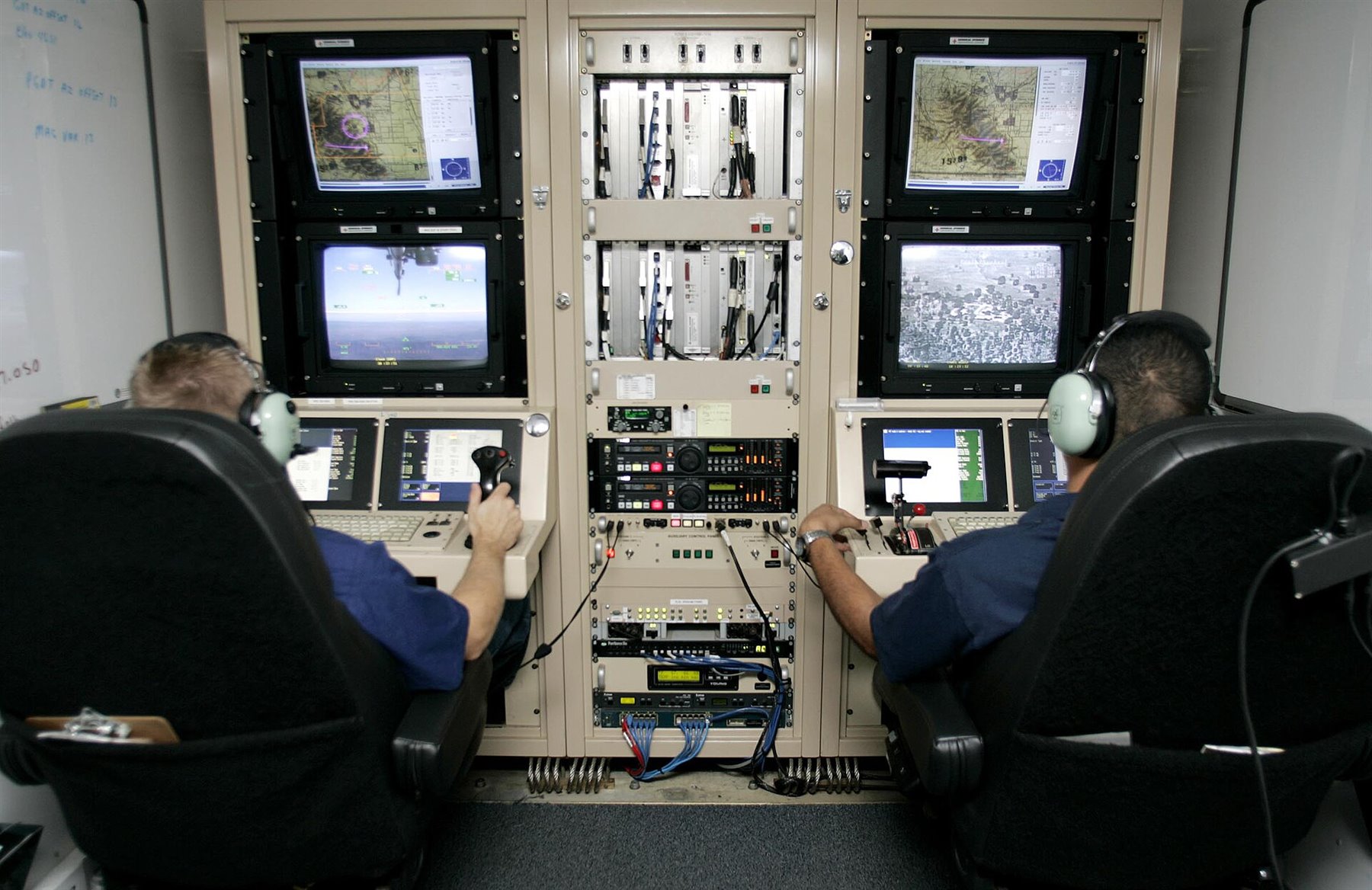
How geopolitical pressure, autonomous systems and government demand are reshaping venture investment in dual-use technology.
Introduction
Defense technology is no longer a peripheral venture category. Geopolitical instability, autonomous systems, cyber risk and supply-chain resilience are pushing dual-use technology into the center of strategic capital.
How geopolitical pressure, autonomous systems and government demand are reshaping venture investment in dual-use technology.
Venture value in 2026 is migrating toward the operating layers that make intelligent systems scalable, trusted and economically durable.
What Dual-Use Means
Dual-use companies build technologies that can serve both civilian and government markets. This includes drones, robotics, space infrastructure, secure communications, AI sensing, logistics, cyber defense, advanced manufacturing and decision-support systems. The opportunity is large, but the market structure is different from traditional software.
Why Investors Are Paying Attention
Government budgets, national security priorities and battlefield lessons have increased demand for faster innovation cycles. Startups can move faster than traditional contractors, but they must learn procurement, compliance, security clearance, reliability and mission-specific requirements.
The Capital Stack Challenge
Dual-use companies often need patient capital, non-dilutive government funding, strategic partnerships, manufacturing capacity and enterprise discipline. The path to revenue can involve pilots, defense contracts, commercial customers and international restrictions. Capital strategy matters as much as product strategy.
Diligence Questions
Investors should evaluate whether the technology has real mission relevance, whether it can survive procurement cycles, whether commercial markets exist, whether compliance is understood and whether the team can operate with government stakeholders. Hype is not enough in defense tech.
The Valarty View
Valarty views dual-use AI as a strategic frontier where venture capital intersects with national resilience, industrial capacity and autonomous systems. The winners will combine technological depth with institutional credibility.
Conclusion
Defense tech is becoming a strategic capital category. The opportunity is not only to fund tools, but to build infrastructure for security, resilience and technological sovereignty.
Research Notes
Content published by VALARTY is for strategic, informational and institutional purposes only. It does not constitute investment advice, an offer to sell securities or a solicitation to invest.